Choosing the right time for a wilderness lodge stay is trickier than it looks. Summer promises long days and abundant wildlife but comes with peak prices and busy trails. Winter offers snowy landscapes and cozy fires, yet not every lodge is a good fit for cold-weather travel. Many travelers end up second-guessing their plans, unsure which season delivers the best mix of wildlife, weather and value.
This guide walks through each option so you can decide with confidence. We compare summer, the shoulder seasons of May and September, and winter, looking at what each one offers in terms of scenery, activities and cost. You will also find practical advice on how far ahead to book, and tips for matching the season to your travel style, whether you chase northern lights, fall foliage or long hours on the trail.
Why the Season You Choose Shapes Your Entire Wilderness Lodge Stay
Pick the same wilderness lodge in three different months and you can end up feeling like you visited three completely different places. In summer, it functions as a hiking base: trails open from the doorstep, kayaks on the lake, and a busy dining room full of fellow travelers. Come autumn, the pace slows, the surrounding forest turns color, and the lodge leans into quiet evenings and shorter excursions. In deep winter, snow blankets the same views, and the focus shifts indoors to fires, saunas and whatever snow-based activities the lodge runs.
This shift is not just about scenery. Wildlife behavior changes with the seasons, so the animals you are likely to spot near the lodge vary enormously depending on when you arrive. Daylight hours swing dramatically too, especially in northern regions, which affects how much you can pack into each day. Even the facilities themselves are not constant: some lodges close certain amenities, reduce staffing, or scale back guided activities outside their busiest months.
Why the season matters more than the lodge
Many travelers spend weeks comparing lodges and almost no time thinking about timing, yet the season often shapes the experience more than the property itself. A modest lodge visited at its best time of year can outshine a luxurious one visited in the wrong season, when trails are muddy, wildlife is scarce, or the place feels half asleep.
Before you book, ask yourself what you actually want from the trip. If it is long days of hiking and water activities, the summer peak delivers, at the highest rates of the year. If you prefer color, calm and lower prices, the months between the high seasons, roughly May and the stretch from September to mid-October, typically bring rates 20-30% below peak. And if snow and northern lights are the whole point, winter from December through March is your window, with rates typically 15-25% below summer peak. Match the season to your travel style first, then choose the lodge that fits it.
Summer: Long Days, Peak Prices and the Busiest Trails
Summer is when wilderness lodges are at their liveliest. From June through August, northern regions enjoy roughly 16-18 hours of daylight, which means you can start a hike after breakfast and still be paddling a canoe or fishing on the lake well into the evening. Long, mild days make it easy to pack a full itinerary without ever feeling rushed by darkness.
This abundance of light is a real advantage for active travelers. Guided hikes, kayak rentals, wildlife watching excursions and boat trips all run on full schedules, and lodges typically open up their complete range of facilities, from outdoor terraces and fire pits to swimming areas and activity desks. If you want everything a lodge offers, summer is when you get it.
What to expect: crowds and costs
The trade-off is simple: summer is the most popular time to visit, so it comes with the highest rates of the year and the busiest trails. Popular viewpoints and lakeside spots can feel busy by mid-morning, especially in July and August. Starting your hikes early in the day helps you enjoy quieter paths before the crowds arrive.
For first-time visitors, though, summer remains the easiest choice. Every trail, activity and lodge service is fully operational, weather is generally the most predictable of the year, and there are more staff and guided options to help you make the most of your stay. Just remember that peak demand means you should confirm rates and availability directly with the lodge well before you travel.
Shoulder Seasons: May and September Offer the Best Value
If your goal is to pay less without sacrificing the experience, the shoulder seasons are where wilderness lodge stays quietly shine. May, and then September through mid-October, typically deliver noticeably lower rates than the summer peak at the same properties. That difference can easily cover an extra night, a guided excursion, or a few good dinners.
September is arguably the sweet spot of the entire year. Fall foliage starts turning the hillsides, daytime temperatures settle into a comfortable 10-18°C range, and the trails and viewing decks thin out noticeably once school holidays end. You get the scenery and the serenity that summer crowds make harder to find.
May works on the same principle at the other end of the season. Spring landscapes are fresh and green, wildlife is active, and lodges are easing into their operating season, which often translates into attentive service and relaxed atmospheres. Just note that some higher-altitude trails or seasonal facilities may still be opening up, so check directly with the lodge about what’s running.
Booking is easier too. Shoulder-season stays can often be secured just 2-3 months in advance, which gives you room to watch weather forecasts and grab a favorable window rather than committing nearly a year out.
- Ask about partial openings in May. Some lodges rotate which cabins, restaurants, or guided programs are active early in the season, so confirm what’s included before you book.
- Pack layers for September. With daytime temperatures around 10-18°C, mornings and evenings can feel sharp, so a warm midlayer and a rain shell earn their place in your bag.
- Target the front half of September for foliage. Color typically peaks earlier in northern regions and later further south, so ask the lodge where they are in the turning of the leaves.
- Use the shorter booking window to hunt for deals. Because you can book 2-3 months out, you can also watch for last-minute cancellations and midweek discounts that peak season rarely offers.
Winter: Snowscapes, Cozy Fires and Northern Lights
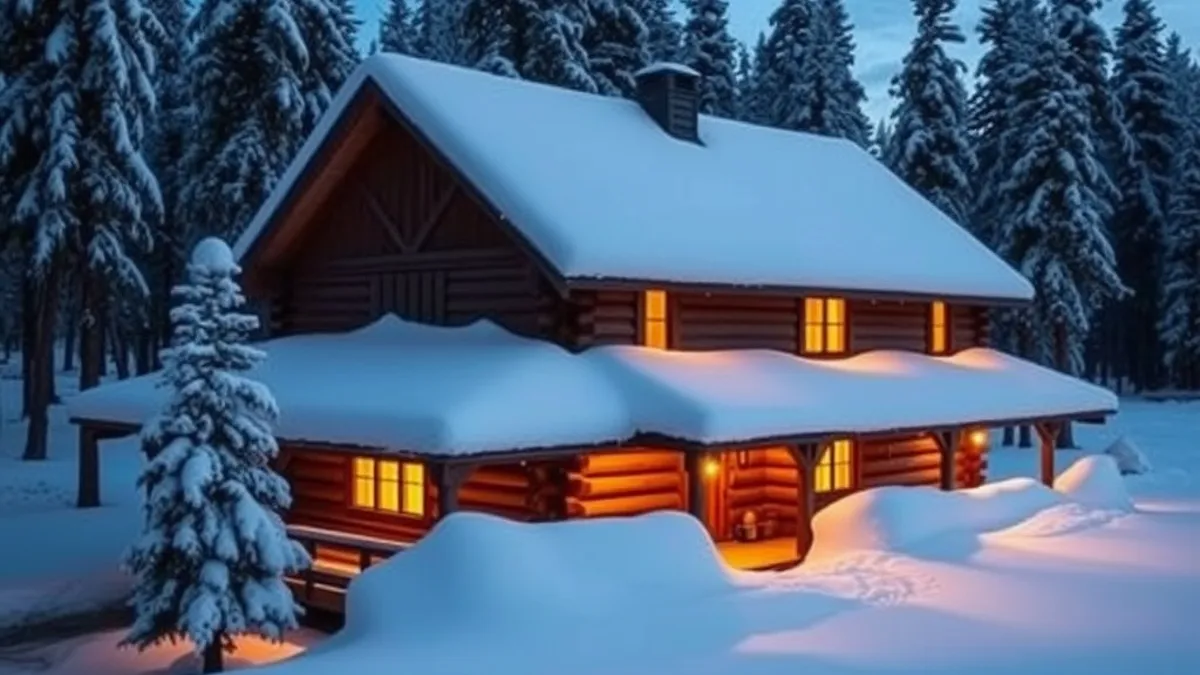
From December through March, a wilderness lodge transforms into something entirely different: a snow-covered retreat where the main attractions are cross-country skiing, snowshoeing and, if you’re far enough north, the northern lights. Trails you hiked in summer become quiet white corridors, and many lodges keep groomed routes and equipment ready for guests. After a day outside, the fireplace and sauna become just as much a part of the experience as the landscape itself.
Winter also tends to be easier on the wallet. Rates at the same lodge typically sit below summer peak, which makes a multi-night stay noticeably more affordable than the same trip in high season. The exception is the holiday period around Christmas and New Year, when rooms fill quickly and prices climb despite the deep winter setting. If a festive-season stay is on your wish list, reserve well ahead rather than hoping for a last-minute opening.
Planning Around Limited Daylight
The biggest adjustment in winter is the light, or lack of it. In northern regions you may have a window of roughly 5-7 hours of usable daylight, so it pays to plan your outdoor activities around it. Head out soon after breakfast for skiing or snowshoeing, then save indoor time — reading by the fire, spa sessions, long dinners — for the dark hours.
That darkness is also the point for many winter travelers. Clear nights offer the chance to see the aurora, and some lodges will wake guests when the lights appear. Keep in mind that sightings are never guaranteed; cloud cover and solar activity vary, so treat any aurora night as a bonus rather than a promise. Check with your lodge about local conditions and what they offer on nights when the sky stays quiet.
How Far Ahead to Book a Wilderness Lodge
Wilderness lodges are small by nature, often with only a handful of cabins or rooms, so the calendar matters as much as the destination. A lodge that looks wide open today can be fully booked for the dates you want by the time you check tomorrow, especially around summer weekends and holiday periods. Unlike large hotels with hundreds of rooms, a lodge cannot simply add availability when demand spikes, which is why early planning pays off more here than almost anywhere else in travel. Working backwards from your travel dates with a simple timeline keeps the process calm and gives you real choices instead of leftovers.
- Set your season and rough dates first. Decide whether you are aiming for peak summer, a shoulder-season value trip, or a winter stay. Your booking window depends almost entirely on this choice, so lock it in before you start comparing lodges.
- For peak summer stays, plan 6-9 months ahead. June through August is the busiest period at most wilderness lodges, and the best rooms, cabins and guided-activity slots go first. Booking in this window gives you the widest choice of room types, views and dates, and often better rates than latecomers get.
- For shoulder-season trips, you can usually book closer to your travel dates. May and September to mid-October tend to have looser availability, so there is less pressure to commit far in advance. This flexibility is handy if your schedule might shift or if you want to watch for short-notice deals.
- Prioritize midweek nights whenever you can. Tuesday through Thursday dates are typically easier to secure and often cheaper than weekend nights in any season. If a lodge is nearly full, midweek may be your only realistic option, so build some flexibility into your itinerary before you start calling.
- Set reminders and confirm details before paying. Check cancellation policies, current rates and any seasonal fees directly with the lodge, since these change from year to year. Ask about deposit requirements too, as smaller lodges often handle payments differently from hotel chains.
The good news is that wilderness lodges reward early planners more than most hotels do. A short checklist, a calendar reminder and a quick call to the lodge are usually all it takes to secure the dates, room and view you actually wanted, rather than settling for whatever happens to be left. Plan the timeline once, and the rest of the trip falls into place.
Matching the Season to Your Travel Style
The best season for a wilderness lodge stay depends less on the calendar and more on what you actually want to do once you get there. Avid hikers and photographers usually get the most mileage out of the peak summer window, when trails are fully open and the long northern daylight gives you hours of golden light for shots. If your camera is aimed at color rather than crowds, the September foliage window is the sweet spot: the landscape turns brilliant, the air is mild, and you can shoot at a relaxed pace without jostling for viewpoints.
Couples who care more about quiet and value than about ticking off every activity should look hard at May or late September, especially midweek. You get lower shoulder-season pricing, a calmer lodge atmosphere, and often more attention from staff since fewer guests are around. Booking is more forgiving too, which helps if your schedule is still fluid and you would rather decide closer to departure.
Snow lovers and aurora chasers have a different equation entirely. Winter, from December through March, is generally the practical window for snowshoeing, skiing and northern lights viewing, and it rewards travelers who commit early. Holiday dates around Christmas and New Year fill fastest, so those nights should be booked before anything else on your list.
- If hiking is the priority, favor June and July for the longest trail days, then shift to August if you want slightly thinner crowds with most routes still open.
- Photographers chasing aurora should plan multiple nights rather than one, since clear skies and solar activity never line up on demand.
- Romantic midweek stays in the shoulder seasons often come with quieter dining rooms and easier access to lodge amenities like saunas or hot tubs.
- For winter trips, aim at January or early March if you want snow conditions with fewer families than the holiday period.
Choosing Your Season With Confidence
So, which season is best? It depends on what you want from your trip. Summer suits travelers who want long days and a full activity schedule, the quieter months on either side of peak season balance lower prices with beautiful scenery, and winter rewards those chasing snow and the northern lights. There is no single winner, only the season that matches your travel style.
Booking windows make the decision easier too. Reserve 6-9 months ahead for peak summer trips, or keep things flexible with an off-peak stay booked just 2-3 months out. If you can, aim for midweek dates, which tend to be both easier to secure and kinder to your budget than weekend nights. Pick the season that fits your priorities and any wilderness lodge stay becomes a well-timed escape rather than a gamble. Have a favorite season for lodge trips? Share it in the comments or pass this guide along to a fellow traveler.