You open a booking page and find a dozen options: standard, superior, deluxe, executive, junior suite. The names overlap, the descriptions are vague, and the price gap between the cheapest and priciest room can be substantial. Choosing the right hotel room type becomes a guessing game, and travelers either overpay for an upgrade they don’t need or book a base room that disappoints on arrival.
This guide breaks the decision down step by step. We’ll explain what room categories actually mean, how to choose a hotel room type based on size and layout, and whether a view upgrade is worth the extra cost. You’ll also learn when a suite or penthouse genuinely makes sense, how to compare room options before booking, and which questions to ask the hotel directly. By the end, you’ll be able to pick your room type with confidence instead of guesswork.
What Room Categories Actually Mean
Hotel room labels can feel like a language of their own, but most categories follow a fairly predictable pattern once you know the basics. The standard room is the foundation: it’s usually the smallest and cheapest category, typically measuring 18-25 sqm, with a simple layout of a bed, a desk or small table, and a bathroom. Everything else in the hotel’s list is measured against this base.
What “deluxe” and “superior” really buy you
These mid-tier labels sound impressive, but they usually mean modest changes rather than a different style of room. A deluxe or superior room typically adds 5-10 sqm over the standard category, or sits on a better floor, or both. The furniture, bathroom and overall look are often nearly identical to the base room. If the photos of the deluxe option look the same as the standard, that’s usually because they are — the difference is on paper, not in the decor.
That’s not to say the upgrade is pointless. A few extra square meters can matter when two people share a room for several nights, and a higher floor can mean less street noise. Just know what you’re paying for: space and position, not a redesigned room.
Where suites begin
The real jump in layout happens at the suite level. A junior suite, commonly 35-45 sqm, adds a separate sitting area within the same open space — think a sofa and coffee table at one end of the room rather than a wall between them. A full suite, often starting around 50 sqm, divides the living and sleeping areas into distinct spaces, usually with a door between them. If a separate living space matters to your stay, make sure the category description says “suite” rather than “junior suite,” and check the listed square meters to confirm the difference is real.
Choosing a Hotel Room Type by Size and Layout
Size is the most practical filter when you choose a room type, and the numbers make the decision easier. A room in the 18-25 sqm range works well for a short solo trip or a couple’s stay of a few nights. You get a bed, a desk or luggage rack, and a bathroom, which is all you really need if you plan to be out most of the day. A junior suite in the 35-45 sqm range earns its price on longer trips or with kids, when floor space for bags, a stroller, or a rollaway bed becomes genuinely useful.
Bed configuration is where many travelers get surprised, especially in Europe and Asia. A “double” can mean one large bed or two singles pushed together, and in some countries a “queen” is actually closer to a full-size bed. If you share a bed at home, check the exact dimensions listed or confirm them before booking rather than assuming.
Layout matters as much as raw square meters once a stay runs past three nights. Two rooms of the same size can feel completely different depending on how the space is organized. Use this checklist when comparing floor plans:
- Separate sitting area: a sofa or armchair lets one person read or watch TV without sitting on the bed, which reduces friction on longer trips.
- Bathroom placement: a bathroom entered from the hallway rather than next to the bed means less light and noise disruption if your schedules differ.
- Storage: a wardrobe or built-in closet beats a wall of hooks, especially for stays where you unpack.
- Corner layout: corner rooms often have windows on two sides and can feel brighter than a mid-row room of identical size.
Is a View Upgrade Worth the Price?
What a view upgrade actually costs
View categories like oceanfront, sunset horizon, or pool-and-garden labels usually add 15-40% to the nightly rate. That is a real chunk of change, and whether it is worth paying depends entirely on how you travel. Before you click the upgrade box, think honestly about how many waking hours you will spend looking out the window.
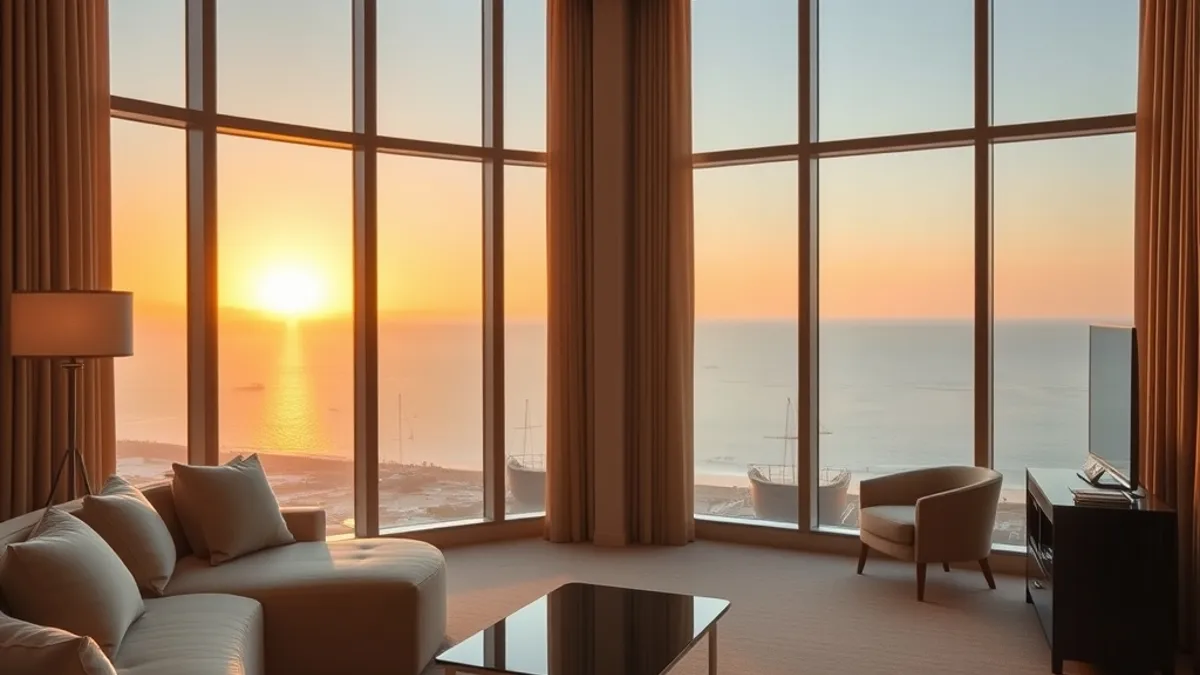
On a resort stay, a view upgrade often earns its price. If your days revolve around the hotel—morning coffee on the balcony, an afternoon break between beach sessions, a sunset drink before dinner—an oceanfront room becomes part of the experience, not just a place to sleep. For a look at how dramatic this can be, browse an oceanfront penthouse with a full horizon view and you will see why some travelers consider the premium money well spent.
City hotels are a different story. You will likely be out sightseeing, dining, and working all day, and a “city view” often means a glance at neighboring rooftops or an office tower. In that case, put your budget toward location or a better bed instead.
Ask about the floor before you pay
One question can save you from a disappointing upgrade: which floor does the view category sit on? A low-floor “sea view” can be mostly blocked by palm trees, beach umbrellas, or neighboring roofs, leaving you a sliver of blue between obstacles. Higher floors in the same category typically deliver the postcard scene the photos promise. A quick email or call to the hotel is usually enough to confirm, and it costs you nothing.
When a Suite or Penthouse Makes Sense
A full suite, which often starts around 50 sqm, is a big step up in price from a junior suite. The question to ask yourself is not whether the suite looks impressive in photos, but whether you will actually use the divided living and sleeping space. For stays of four nights or more, the answer is usually yes. That extra living room changes how you use the hotel: you can work at a table without sitting on the bed, spread out breakfast, or let one person sleep in while the other reads in the other room. On a short two-night trip, most travelers barely notice the difference.
Why penthouses sell out first
Rooftop and penthouse categories fall into the same limited-inventory group as corner and top-floor rooms, often making up under 10% of a hotel’s rooms. That means there may be only one or two of them in the entire property, and they tend to be booked well before standard categories fill up. If a penthouse is the reason you chose a particular hotel, book early rather than hoping for a late availability.
For special occasions, a one-night splurge often beats a full-stay upgrade. On an anniversary trip, for example, booking a suite for the final night gives you the celebration moment without paying the premium for every night of the trip. Spend the earlier nights in a comfortable mid-range category, then finish with the suite as the highlight. You get the champagne-on-the-terrace experience at a fraction of the cost of upgrading the whole stay, and the hotel will often add a small touch for the occasion if you mention it when booking.
How to Compare Room Options Before Booking
Photos sell rooms, but they rarely tell the whole story. Hotels photograph their best example of each category, often with a wide-angle lens and perfect lighting, so two rooms with very different price tags can look nearly identical online. A dim base room shot at a flattering angle can read as warmly as a freshly renovated deluxe on the next floor. The reliable way to compare is to dig into the listed specifications and recent guest feedback before you commit, rather than trusting your eye.
- Check the listed square meters, not the images. Every booking page shows the size of each category. Compare those numbers side by side, because a room that looks spacious in photos may be barely larger than the cheaper option below it. A 10 sqm difference changes how you live in the room, but it can be almost invisible in a gallery.
- Note the bed size and floor for each category. These details are usually listed in the room description. A higher floor or a larger bed can matter more than a fancier label, and the difference between categories often comes down to exactly these two lines. If they are missing, that itself is worth an email to the hotel.
- Read recent reviews that mention your specific category. Search reviews for the room type you are considering. Guests who booked the base category will tell you if it feels dated or cramped compared to the showcase photos, which is one of the most common complaints. Sort reviews by newest first, since renovation work can leave older floors inconsistent with the images.
- Book 2-3 months ahead for the widest choice. Early bookings give you access to every category the hotel offers. Last-minute bookings typically leave only base rooms, since the better categories sell out first.
A few minutes of comparing specifications and category-specific reviews will do more for your stay than any photo gallery. The listed details reveal what you are actually paying for, while recent guests confirm whether the hotel delivers on them. Treat the photos as marketing and the specifications as fact, and the gap between the pictures and reality shrinks considerably before you ever hand over your card details.
Questions to Ask the Hotel Directly
Once you have narrowed down a category, a short message to the hotel can settle the details that no booking page explains. Hotels hold back information like exact floor placement, and the answers you get will tell you a lot about how the property treats its guests before you even arrive.
Start by asking where your room category actually sits in the building. A deluxe room on the second floor above the entrance can be noisier than a standard room on a high floor, so the label alone does not tell the whole story. Most hotels will answer honestly if you ask specifically.
Bed setup is the second thing to confirm. Terminology varies between countries, and a family arriving expecting two beds may find one. If you need rooms side by side, ask directly, because connecting rooms are usually a limited number in any property and cannot be guaranteed through a standard booking.
Finally, remember that check-in is your best chance to fine-tune. The front desk sees the actual map of the house, and a friendly, specific request often works better than any category upgrade.
- Ask about the elevator and ice machine locations: rooms directly next to these high-traffic spots deal with constant door slamming and hallway noise, even on upper floors.
- Ask whether the connecting rooms have an internal door: some “connecting” categories are simply adjacent, which does not help parents of young children.
- Ask if the hotel is fully booked on your dates: on quieter nights, staff have far more flexibility to move you to a preferred room.
- Have two or three room numbers ready: if you have stayed before and liked a specific room, mentioning it by number makes the request easy to grant.
- Time your arrival early: checking in at the start of the afternoon gives the front desk the full room map to work with, not just the leftovers.
Picking Your Room Type with Confidence
Room categories stop being confusing once you break them down into what they actually are: size, layout, view and floor. Every label on a booking page maps to a fairly predictable range of square meters, so a dozen vague names become a handful of clear options you can compare line by line.
From there, the decision comes down to value. Weigh the 15-40% premium of a view upgrade against how much time you will realistically spend in the room, and remember that a direct question or two to the hotel can settle details no listing will. With the category decoded, you can book the right room type at the right price instead of guessing. If this guide helped you pick your next room, leave a comment or share it with a fellow traveler.