Torn between salt air and alpine views? Choosing a beach resort or mountain resort comes down to three things: your budget, the season you’re traveling, and how you actually like to spend a vacation day. This guide gives you a simple framework to decide, starting with when you’re going. Peak beach season runs June to August in the northern hemisphere, while mountain high season runs December to February, and timing changes both the price and the experience far more than most travelers expect.
Here’s what’s ahead: how to match your trip to the season, compare costs beyond the room rate, and figure out whether your body prefers sea-level heat or cooler mountain air, where temperatures often sit 15-25°C while the coast can climb to 30-35°C in peak summer. We’ll also cover matching activities to your travel style, how far ahead to book, spotting real value, and choosing between oceanfront and summit views. By the end, the right answer should feel obvious.
Beach Resort or Mountain Resort: Start With Your Season
Timing shapes your resort experience more than almost anything else. The same property can feel like a bargain in May and an overpriced squeeze in August, so it pays to know when your chosen destination hits its stride.
Beach resorts shine from June to August, when the water is warm and every restaurant and beach bar is open. That popularity has a price: rates typically rise 30-50% during July and August, and you will share the sand, pools and seaside promenades with the year’s biggest crowds.
Mountain resorts follow a different calendar. Their high season runs December to February, when skiers and snowboarders fill the lifts, and prices peak 40-60% above shoulder-season levels. If you are not skiing, paying winter rates for a view of the slopes makes little sense.
The shoulder-season sweet spot
The best value often sits just outside peak weeks. For beaches, aim for May-June or September-October: the sea is usually still pleasant, the crowds thin out and rates drop noticeably. For mountains, look at September-October or late spring, when trails are open, cable cars run and prices sit well below winter highs.
The practical takeaway is simple: match your travel dates to the destination’s high season rather than forcing a trip into whatever dates you happen to have free. A beach resort visited in a cool, gray month rarely delivers the holiday you pictured, and a mountain resort in the middle of a summer heat wave loses much of its appeal. If your dates are fixed, choose the destination whose best season matches them.
Compare Costs Beyond the Room Rate
The room rate is only the starting point. Beach resorts often look cheaper at first glance, but the extras add up quickly: kayak or paddleboard rentals, snorkeling trips, sunset boat tours, and day passes at beach clubs can each cost a noticeable amount. A family that books a few excursions per day can easily spend as much on activities as on a mid-range dinner.
Mountain resorts have their own add-ons. In winter, ski passes, equipment rental and lift tickets are significant line items, often per person per day. In summer, cable car fares for reaching hiking trails or viewpoints can be surprisingly high, especially for a family riding up and down several times during a stay.
One thing that works in the mountains’ favor: many alpine resorts bundle half-board meals into the rate. Breakfast plus dinner included can offset a higher room price, since you’re not paying for two restaurant meals a day on top of accommodation. Beach resorts less commonly include meals, so compare what’s actually in the rate before judging which destination is “cheaper.”
A practical rule of thumb: budget a 20-30% cushion on top of your accommodation cost for activities at either destination. That covers a realistic mix of paid excursions, rentals and entry fees without forcing you to skip things once you arrive. Check the resort’s own activity price list or your operator’s excursion menu before booking, since these costs vary widely by destination and season.
- Ask whether lift tickets or cable car fares are included in your mountain package — some resorts bundle a daily pass into the room rate, which can save a family a substantial sum over a week.
- At beach resorts, check if the hotel provides free kayaks, snorkel gear or bikes; properties with complimentary equipment can cut your activity budget noticeably.
- Beach club day passes and reserved sun loungers are often charged separately at popular coastal destinations, so factor them in if you plan to spend full days at a club rather than the hotel’s own beach.
- Ski gear rental for children is usually cheaper than adult equipment, but multi-day rental deals and beginner package rates (lesson plus gear plus lift pass) vary a lot between resorts — compare a few options before committing.
Weather and Comfort: Heat, Altitude and What Your Body Prefers
Weather should be one of your first filters, because it shapes everything else about your trip. In peak summer, sea-level beach destinations can reach 30-35°C. That is wonderful when your plan is to swim, float and stay in the shade, but it gets tiring fast if you want to walk around towns, visit markets or squeeze in sightseeing between midday heat.
Mountain resorts play by different rules. Even in the middle of summer, many stay in a comfortable 15-25°C range, which makes hiking, cycling and long lunches on a terrace genuinely pleasant. The contrast can be striking: valleys below may be sweltering while your resort sits in cool, fresh air.
Humidity changes everything
Two destinations can report the same temperature and feel completely different. Coastal humidity makes the air feel hotter and stickier, so 30°C at the beach can feel more draining than 30°C inland. Dry mountain air at the same temperature usually feels lighter and more comfortable, though you will notice the sun is stronger at altitude and dehydration comes faster than you expect.
One more thing to factor in: altitude itself. Resorts above roughly 1,500-2,000 m can cause mild fatigue, shortness of breath on stairs or a dull headache for the first day or two while your body adjusts. Take it easy on arrival, drink more water than usual and skip the strenuous hike on day one. If you or anyone in your group has heart or respiratory concerns, check with a doctor before booking high-altitude stays.
Match Activities to Your Travel Style
The clearest way to decide is to picture a typical day at each resort. Beach resorts reward travelers who are happy to wake up without a plan: swim in the morning, snorkel after lunch, read in the shade, repeat. Mountain resorts, by contrast, tend to revolve around a schedule — a hike that starts early, a lift that closes by late afternoon, a bike route you want to finish before dark.
If you love water sports, the coast wins. Swimming, snorkeling, sailing, paddleboarding and kayaking are all right at your doorstep, and most beach resorts rent equipment on site or run lessons for beginners. If your ideal vacation involves covering distance on foot, on skis or on two wheels, the mountains deliver far more variety: marked trails, lift-accessed slopes and cycling routes for every fitness level.
Families with young children often find the beach easier logistically. Shallow, calm water lets kids play within sight of your towel or lounger, while alpine terrain usually means carrying little ones, watching footing on rocky paths or sticking to short, gentle walks.
- Check the activity desk, not just the brochure. A resort can sit beside beautiful water with no snorkel rentals, boat trips or sailing lessons available — ask specifically what is included and what costs extra.
- Ask about trail access from the property. Some mountain resorts have trailheads at the door; others require a drive or a cable car ride before any hike begins, which adds time and planning to every outing.
- Look at the difficulty range on offer. A good mixed-activity resort should list easy walks alongside demanding routes, and calm swimming spots alongside open-water options, so everyone in your group has something at their level.
- Consider guided vs. self-guided options. Mountain resorts often offer guided hikes or group rides that suit travelers who like structure, while beach days rarely need one — a useful signal of which style matches you.
Mixed-activity groups should be honest about the compromise. A resort that offers both easy water access and nearby trails can keep swimmers and hikers equally happy, but those properties are less common than they sound, so verify both claims before booking rather than assuming.
How Far Ahead to Book and How to Spot Real Value
Timing matters as much as destination when it comes to paying a fair price. Beach and mountain resorts follow different booking rhythms, and knowing them can save you a meaningful chunk of your budget. Peak-season rates climb sharply in both settings, but the windows for snagging a good deal are not the same. Here’s how to plan your booking timeline and make sure the rate you see is actually a good deal rather than a cleverly dressed full-price room.
- Book beach resorts 3-6 months ahead for summer stays. If you’re targeting June to August, locking in a rate before peak demand builds usually means paying pre-peak prices rather than last-minute premiums. The earlier end of that window suits popular coastal destinations; the later end can work for quieter stretches of coastline where rooms turn over more slowly.
- Book mountain resorts 2-4 months ahead for winter. For December to February trips, that lead time typically secures solid rates. If your dates fall over a holiday week, such as Christmas or New Year, book earlier still, since those weeks sell out fast and prices climb as availability shrinks. Smaller alpine properties with limited inventory fill first, so call ahead if you have your eye on a specific lodge.
- Compare package rates against room-only. Some resorts bundle meals, transfers or activities into one price. Work out what you’d realistically spend on those extras separately, then compare totals. A package that looks pricier at first glance can come out ahead once you add everything up.
- Read the cancellation terms carefully. Winter travel is more vulnerable to weather disruption, so flexible or free-cancellation rates are worth the small premium in the mountains. Check how close to arrival you can cancel or change, and whether deposits are refundable.
One last habit worth building: check the same room and dates across a couple of booking channels, including the resort’s own website, before committing. Resorts occasionally offer direct-booking perks such as room upgrades or flexible check-in that third-party sites don’t show. And if a deal seems unusually cheap for peak dates, verify what’s actually included before you pay, because exclusions can quietly erase the savings.
Oceanfront vs Summit Views: Choosing Your Stay Type
Views are one of the biggest reasons travelers pay resort prices in the first place, so it pays to think about what kind of view you actually want before booking. Beach resorts put their best assets right at the water: oceanfront rooms let you watch the waves from bed, while rooftop decks and pool terraces frame both sunrise and sunset over the sea. If waking up to a horizon matters to you, it’s worth paying for a room facing the water rather than the parking lot.
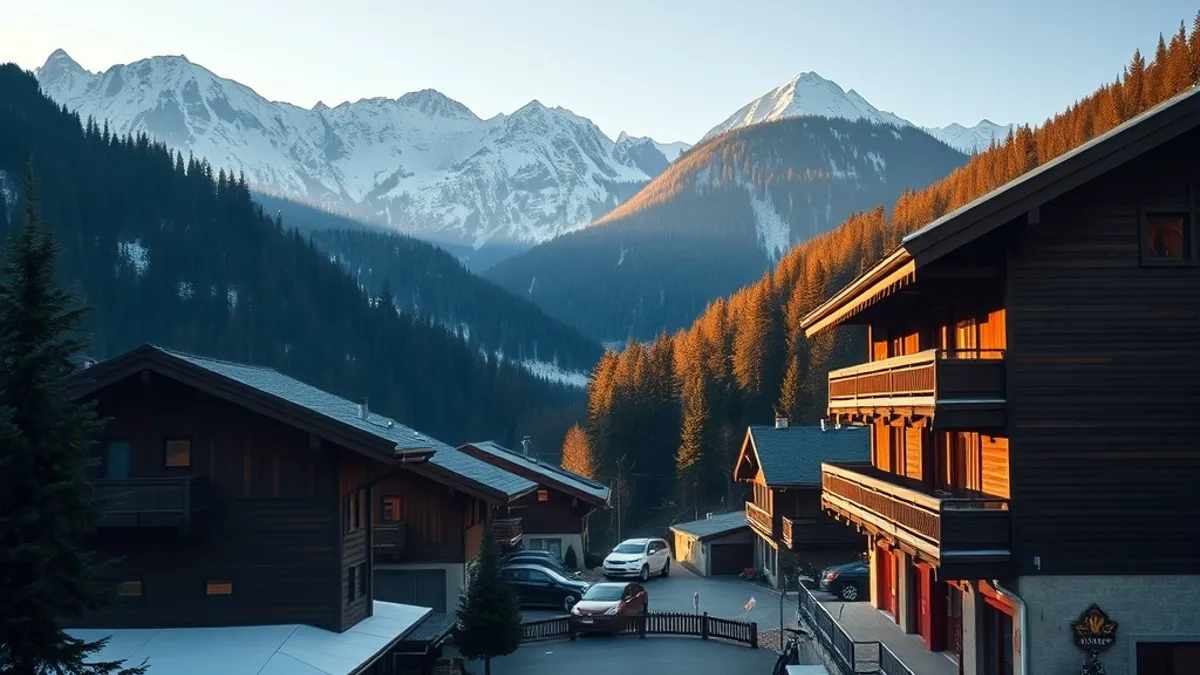
Mountain resorts trade the horizon for drama. Summit-facing rooms and terrace suites deliver the panoramic peaks these properties are known for, and many travelers find themselves on the balcony more than in the room. A well-placed terrace can feel like a private lookout, especially in the early morning when the light hits the ridgelines.
What a View Actually Costs
In either setting, expect to pay a premium for the good stuff. Corner rooms and upper-floor rooms with the best sightlines typically run roughly 15-30% above standard rooms in the same resort. Before upgrading, ask which direction the room faces and whether anything blocks the view — a “sea-view” room behind palm trees is a common disappointment.
One practical tip: prioritize orientation over square footage. A smaller room facing east gives you sunrise over the water; a west-facing one gives you sunset. If views are what you’re booking for, that beats an extra few square meters. For a concrete example of what an oceanfront room done right looks like, see this oceanfront penthouse retreat in Rostock.
The Bottom Line
If your ideal trip means warm water, slow mornings and days shaped around swimming, a beach resort is the fit. If you picture cooler air, hiking trails or ski runs and a fuller schedule, a mountain resort will suit you better. Neither is the better choice in general — only for the season, budget and pace you have in mind.
Whatever you pick, book ahead: around 3-6 months for summer beach stays and 2-4 months for winter mountain trips, and remember that activities often add 20-30% to the room rate. Still weighing the coast against the peaks? Tell us which way you’re leaning in the comments, or share this article with someone who’s deciding too.