Booking a mountain lodge should be exciting, but the amenity lists on booking sites rarely make it easy. Is the sauna free or part of a spa package? Does “half-board” actually mean dinner is included, and until what time is it served? Some listed features are standard, some cost extra, and a few are little more than clever wording. Without knowing the difference, it’s hard to compare two lodges or judge whether the price is fair.
This guide breaks down mountain lodge amenities so you know exactly what to expect before you arrive. We’ll cover what counts as standard in the rooms, how dining options like half-board and set menus work, and what wellness areas typically offer, including common sauna etiquette in Alpine regions. Then we’ll look at winter extras such as gear storage and boot dryers, summer services for hikers and bikers, and finish with a simple checklist for verifying amenities before you book.
Rooms and In-Room Comfort: What’s Standard
Mountain lodge rooms are built for cold nights and long days outside, so warmth comes first. Nearly all rooms are heated, usually by radiators or underfloor heating you can adjust yourself, and beds come with proper duvets rather than thin blankets. Blackout curtains are standard almost everywhere, which matters more than you might think when you want an early night before a hiking day.
Many rooms, especially in mid-range and upscale lodges, include a balcony facing the slopes or the valley. If a view matters to you, filter for “mountain view” or “balcony” when booking rather than assuming every room has one—garden-side or parking-side rooms are common and often cheaper.
Housekeeping: What Daily Really Means
In larger hotels, expect full daily housekeeping with towel changes. In smaller, family-run lodges, service is often reduced to every 2-3 days, with fresh towels available on request at reception. This is normal practice, not a cut corner, but if you like a made bed every morning, mention it at check-in—many owners will accommodate you when staffing allows.
Wi-Fi is standard across mountain lodges, but quality drops with altitude. In remote locations above 1,500 m, connections can be slow at peak evening hours, and some lodges still charge a small fee or limit free access to the lobby. Download maps and playlists before you arrive, and check the listing for Wi-Fi details if a reliable connection matters for your trip.
Dining Options: Half-Board, Set Menus and Hours
Food is often one of the biggest pleasures of a mountain lodge stay, and it helps to know how the rhythm works before you arrive. Most lodges serve dinner between 18:00 and 20:30, and in smaller properties this is frequently a fixed set menu rather than a choice of dishes. That means you might be offered a starter, main and dessert with little or no variation, so mention allergies or dietary needs when you book rather than at the table.
Set menus have real advantages. The kitchen usually works with seasonal local ingredients, portions are generous after a day on the slopes or trails, and a set seating time creates a sociable atmosphere in the dining room. If you prefer flexibility, ask whether the lodge offers an à la carte option or can serve an earlier or later sitting for families with children.
What half-board actually includes
Half-board, meaning dinner plus breakfast, typically adds €30-60 per person per day over room-only rates. Whether that represents good value depends on where you stay: in remote spots with few restaurants nearby, it usually does. Check whether drinks are excluded, as this is common, and whether the price covers a multi-course dinner or a simpler one-plate meal.
Lunch is the meal that catches travelers out. Many lodges offer only a small bar or terrace menu at midday, such as soup, sandwiches or cake, rather than a full restaurant service. If you plan to be out hiking or skiing, either order a packed lunch the evening before if it’s offered, or time your excursion to end back at the lodge. A quick question at reception on your first morning will tell you exactly what’s available and when, saving you from returning hungry to a closed kitchen.
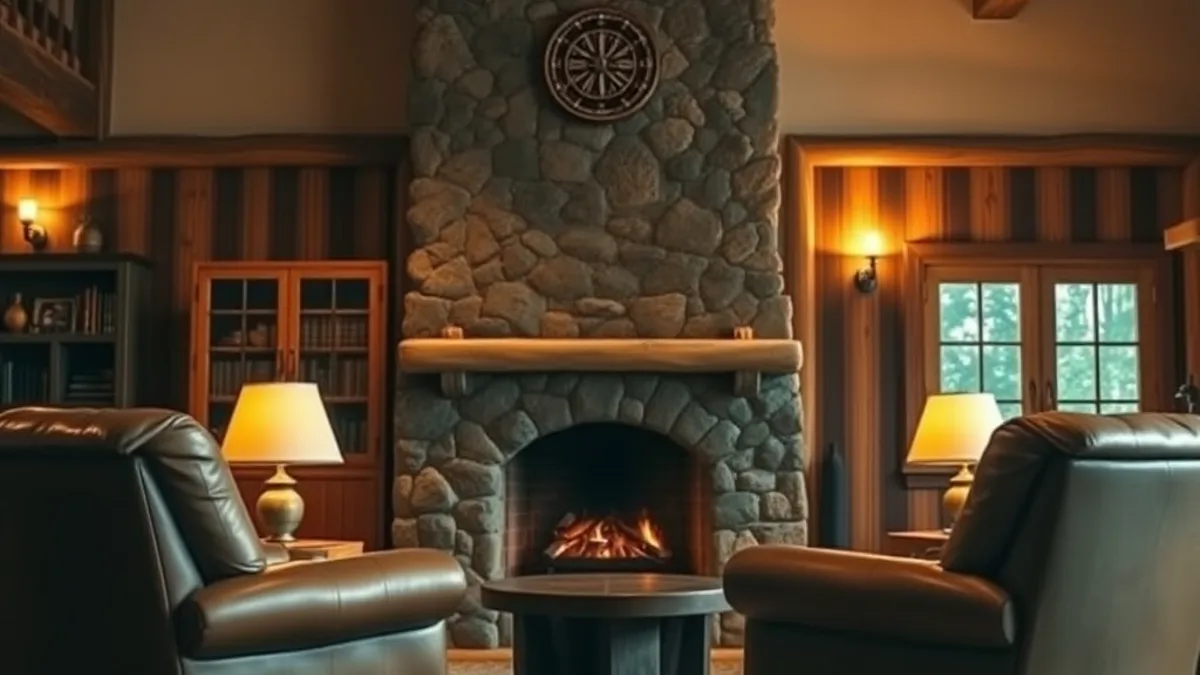
Wellness Areas: Sauna, Pool and Spa Etiquette
One of the biggest perks of a mountain lodge is coming in from a cold day on the trails or slopes and warming up in the wellness area. Most lodges keep their sauna and spa zones open roughly 15:00-20:00, timed for the end of outdoor activities rather than the morning. If you want a long, unhurried session, plan your day so you’re back at the lodge before the evening rush.
Alpine wellness culture has a few quirks that catch first-time visitors off guard. In Austria, Germany and Switzerland, saunas are commonly textile-free (nude) and reserved for adults only, and this is considered normal etiquette rather than anything unusual. Swimming pools and mixed relaxation rooms, on the other hand, usually require a swimsuit. House rules vary from lodge to lodge, so ask at reception or check the information folder in your room before your first visit.
Pools, hot tubs and treatment menus differ widely between properties. Some lodges have only a small sauna and a plunge shower, while larger ones offer several sauna types, steam rooms and heated outdoor pools. Massage and beauty treatments almost always cost extra, and good time slots fill quickly during busy periods. Booking your treatment on your arrival day is the safest move.
- Towel rule: Always sit or lie on a towel in the sauna, even in textile-free zones; sweating directly onto the wood is considered poor manners.
- Quiet zones: Relaxation rooms are for resting, so keep phone use and conversation to a minimum, and expect signs asking for silence.
- Shower first: Rinse off before entering the pool or hot tub, and remove any creams or oils before a sauna session to protect the wood and the air quality.
- Robes and slippers: Many lodges provide a bathrobe and spa slippers in your room; if not, packing your own saves wearing damp street clothes between areas.
- Hydration and pacing: Sauna rounds in Alpine houses often run hot, so alternate heat with cool-down breaks and drink water throughout your session.
Winter-Ready Amenities: Gear Storage and Boot Dryers
If you’re booking a lodge for the winter season, one of the first things to look for is a proper ski storage room. In lodges that operate from roughly December to April, a heated gear room with boot dryers is standard, and it makes a real difference. Coming back from a day on the slopes, you can hang up damp jackets, clip your boots onto the dryers and find everything warm and dry the next morning instead of dealing with cold, wet gear in your room.
Getting to the lifts without the morning haul
Location matters just as much as storage. Some lodges offer direct slope access, meaning you can clip into your skis steps from the door. Others run a free shuttle to the lifts, typically a short hop that saves you from carrying skis, poles and a heavy backpack through town. Before booking, check which one applies — “close to the lifts” can mean anything from ski-in, ski-out to a fifteen-minute walk in bulky boots. If you’re driving, ask whether parking is included, since some resorts charge for it separately.
Another perk worth asking about is on-site equipment rental. A number of lodges keep sledges, snowshoes or ski touring gear for guests, usually charged as a per-day fee. It’s handy for rest days or for non-skiers in your group, and it’s often cheaper than renting from a shop in the resort. Availability varies a lot, so confirm what’s actually in stock rather than assuming — and check current rates, as they change from season to season.
Summer Facilities: Hiking Services and Bike Storage
When the snow melts, mountain lodges swap their ski rooms for a whole different set of facilities. Lodges open in the warmer months, roughly May to October, tend to focus on hikers and cyclists rather than skiers, and the amenities reflect that shift. You’ll usually find a drying room for wet boots and rain gear, secure bike storage, and a rack of trail maps at reception.
Many summer lodges also go a step further with organized extras. Guided hikes led by lodge staff or local mountain guides are common, and some properties offer packed lunches so you can spend the whole day on the trail. These services are often bookable the evening before at reception, which works well if you like to check the weather forecast over dinner before committing to a route.
Outdoors is where summer lodges really shine. Terraces with mountain views, gardens with loungers, and children’s play areas take over the role that ski rooms and boot dryers play in winter. If you’re traveling with kids, a playground within sight of the terrace can make afternoon downtime much easier.
- Bike storage is usually a locked room or rack, and some lodges provide a basic tool kit and a hose for cleaning muddy frames after a ride.
- Drying rooms in summer serve hikers caught in afternoon thunderstorms, so hang damp jackets and boots there overnight rather than in your room.
- Trail maps at reception are often free to borrow, but lodges near popular routes may sell detailed hiking maps and suggest routes matched to your fitness level.
- Packed lunches frequently include a sandwich, fruit, and a cereal bar; ask about options when booking your hike, as some lodges need a morning order rather than an evening one.
- Children’s play areas sometimes extend beyond a simple playground to include sandpits, table tennis, or small petting zoos at family-focused lodges.
How to Check Amenities Before Booking a Mountain Lodge
The difference between a great lodge stay and a disappointing one often comes down to what you confirmed before paying. Listing sites compress a lot of information into a few bullet points, and vague wording like “wellness available” or “meals on request” can hide details that matter to your trip. A little checking upfront takes minutes and saves real frustration at check-in, especially when you are traveling with family or planning a longer stay.
- Read the board options carefully. Room-only rates look cheaper until you add meals, and that gap grows fast over a week-long stay. Decide whether you want to eat at the lodge most nights or keep flexibility for village restaurants, then compare total costs, not just the headline room rate. Ask whether drinks at dinner are included too, as this varies more than most travelers expect.
- Book early for high season. For December-February ski trips and July-August summer stays, aim to reserve 3-6 months ahead. The lodges with the best facilities—larger wellness areas, on-site rentals, prime locations—fill first, and by late autumn you are often choosing from what is left rather than what suits you.
- Email the lodge directly when the listing is vague. A short message asking about spa opening hours, how often rooms are cleaned and whether Wi-Fi costs extra gets you written answers you can rely on. This is especially useful for remote properties, where connectivity and housekeeping practices vary more than the listing suggests. Keep the replies handy in case anything differs at check-in.
Treat this as a quick pre-booking routine rather than a chore. Ten minutes of reading and one email are usually all it takes to know exactly what you are paying for—and to book with confidence instead of crossing your fingers until arrival.
Wrapping Up Your Mountain Lodge Amenities Checklist
By now, the picture should be clearer: most mountain lodges include heated rooms, ski or bike storage, some wellness access and Wi-Fi as standard, while things like half-board, spa treatments and equipment rental usually come with additional fees. Anything that sounds grand in a listing—panoramic spas, gourmet dining, shuttle service—deserves a closer look before you assume it’s included in your rate.
The simplest way to avoid surprises is to check the details before booking: dinner hours, house rules, board options and any extra charges. A short email to the lodge can settle most questions in minutes. If this guide helped you sort standard amenities from marketing fluff, leave a comment or share it with a fellow traveler.