Scroll through Instagram and glamping looks like a dream: canvas tents under starry skies, wood-fired hot tubs, breakfast delivered to your deck. Then you start pricing trips and the confusion sets in. Rates swing from around $80 for a simple tent to well over $1,000 for a luxury lodge, and it’s hard to know what a night should actually cost. The truth is that glamping cost depends on far more than a pretty photo—accommodation type, season, and amenities all play a role.
This guide breaks it all down. We’ll look at what drives prices, compare typical costs by accommodation type, and show how peak-season dates can push rates 30–50% higher than shoulder-season stays. You’ll find sample budgets for budget, mid-range, and luxury trips, plus practical tips on when to book and simple ways to pay less. By the end, you’ll know exactly what to expect before you click “reserve.”
What Determines Glamping Cost?
The single biggest factor in what you’ll pay for a glamping trip is the type of accommodation you choose. A simple canvas tent sits at the low end of the spectrum, while treehouses, lodges and other high-spec structures command the top of the range. The difference comes down to construction, insulation, space and the sheer effort of building something permanent in a scenic spot.
Amenities and service level
What’s included in the unit matters just as much as the unit itself. A private bathroom, a full kitchen or a wood-fired hot tub can each add meaningfully to the nightly rate, and together they can add anywhere from $50 to $200 per night. If you can live with a shared bathhouse or bring your own camping stove, you’ll notice the difference in your total.
Service level shifts the price significantly, too. A self check-in cabin with no staff on site costs far less than a hosted safari camp where meals, guided activities and daily housekeeping are part of the package. Fully catered stays bundle labor and food costs into the rate, which is why they often look expensive at first glance but can be reasonable once you account for what’s included.
Location plays a role
Where the site sits also drives pricing. Sites near the coast or just outside popular national parks charge a premium for their setting, since demand in those areas is consistently high. Rural inland sites, especially those on working farms or private land away from major attractions, typically charge less for the same style of tent or cabin. If your heart isn’t set on a specific landmark, moving your search even an hour away from a famous park can open up noticeably cheaper options.
Glamping Cost by Accommodation Type
Accommodation type is the clearest way to predict what you’ll pay. At the budget end, bell tents and basic cabins typically run $80–150 per night. These units usually come with real beds and lighting, but expect shared bathroom blocks instead of en-suite facilities. It’s camping with comfort, not a hotel room under canvas.
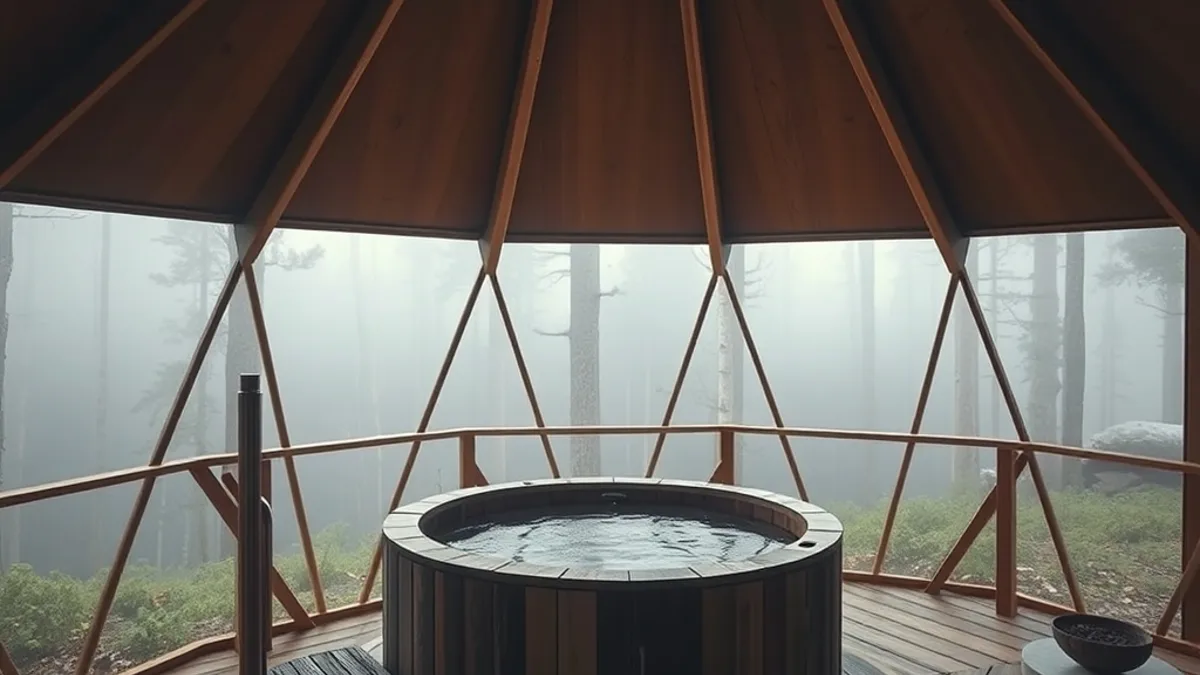
Step up to mid-range and you’ll find safari tents, yurts and geodesic domes at $150–300 per night. This is the sweet spot for most first-time glampers: you generally get a private bathroom, a proper deck, and often small luxuries like a wood stove or outdoor seating area. Many sites in this tier feel closer to a boutique hotel than a campground.
At the top, luxury treehouses, lodges and overwater-style suites range from $300 to $1,000+ per night. These units come with full plumbing, high-end furnishings and often extras such as private hot tubs, panoramic decks or hosted dining. Think of them as a boutique stay where the view does the decorating.
Size matters too. Family-sized units and multi-room tents typically add 30–50% over the price of a standard unit at the same site. If you’re traveling with kids, compare that premium against booking two smaller units — sometimes two budget tents cost less than one large family suite.
- Heated units cost more in cold months: insulated domes and cabins with wood stoves usually sit at the upper end of their tier because of the extra equipment and upkeep.
- Pet-friendly units often carry a surcharge: many sites charge a per-stay pet fee on top of the nightly rate, so confirm before you book.
- Stargazing features push prices up: units with clear roof panels or skylights tend to be priced above identical floor plans without them.
- Accessibility features vary by tier: step-free access and accessible bathrooms are more commonly found in mid-range and luxury sites than in basic tent setups.
How Season Affects Glamping Prices
Timing has a bigger effect on glamping prices than most first-timers expect. The same safari tent that rents for a modest rate in spring can command a noticeably higher price during peak season, which at most sites runs from June through August. That premium reflects simple supply and demand: families travel, school is out, and warm-weather weekends sell out quickly.
If your schedule allows it, aim for the shoulder months of May and September–October. Weather in many regions is nearly as pleasant—warm days, cooler nights, fewer crowds—but rates drop noticeably below peak-season levels. In places like the desert Southwest or coastal California, early fall can actually be more comfortable than midsummer, so you often get better conditions and a lower price at the same time.
Winter Glamping: Cheaper, but Choose the Right Unit
Winter brings the lowest nightly rates in cold climates, but the discount comes with a catch. Many canvas tents and basic yurts close for the season, and the ones that stay open need real cold-weather features: insulated or heated domes, wood stoves, and proper flooring. Before booking a winter stay, confirm exactly how the unit is heated and what happens if the stove goes out overnight.
One more pattern applies year-round: weekend nights typically cost more than midweek nights. If your dates are flexible even by a day or two, shifting an arrival from Friday to Sunday or Monday can shave a meaningful amount off a multi-night stay—sometimes enough to upgrade to a larger unit within the same budget. Since the exact premium varies by site and season, ask the operator when you book; some will happily quote a midweek rate that changes your whole trip plan.
Budget vs. Mid-Range vs. Luxury: Sample Trip Costs
To see how these nightly rates translate into a real trip, here’s what a typical three-night glamping getaway looks like at each budget tier. These are lodging totals for a standard unit for two people, before extras.
At the budget end, expect roughly $240–450 for three nights in a canvas tent or basic cabin, plus about $100–200 for food and activities if you self-cater and explore on your own. That puts the whole trip near $340–650. Mid-range trips run $450–900 for lodging, and that extra spend usually buys real comfort: private bathrooms, a hot tub on the deck, or a prepared breakfast waiting each morning. Luxury stays start around $900 and can easily climb past $3,000 for three nights, but at that level meals, guided experiences and spa access are frequently bundled into the rate, so compare what’s included rather than just the nightly number.
Whatever tier you choose, budget for add-ons. These small charges rarely appear in the headline price but add up quickly over a long weekend:
- Firewood and ice: many sites sell bundles on-site, often in the $10–20 range per bundle, and a cool evening can burn through two or three.
- Kayak, paddleboard or bike rentals: typically $20–50 per item for a half or full day, so a couple renting gear on two days can add $100 or more.
- Spa add-ons: massages or couples treatments at resort-style properties commonly run $50–100+ per person per session.
- Guided activities: hosted hikes, stargazing sessions or farm tours at luxury properties may carry per-person fees even when lodging includes some experiences.
- Pet fees: dog-friendly sites often charge a flat per-stay fee, so confirm before booking if you’re traveling with an animal.
A simple rule of thumb: add $50–150 per person in extras to any three-night estimate, more if you plan to book activities on-site. That way the final bill matches the trip you imagined when you clicked “reserve.”
When and How to Book for the Best Glamping Rates
Timing matters almost as much as where you book. Popular glamping sites, especially safari tents and domes near national parks, often sell out their best units months in advance during summer. The most photogenic tent with the best view usually goes first, so late bookers are left choosing between leftover dates and leftover units. Booking at the right moment can mean the difference between paying full peak price and catching a deal on the very same tent, and it can also decide whether you get the private hot tub unit or the one next to the parking area.
- Reserve peak-season stays 3–6 months ahead. Summer weekends at well-reviewed sites fill quickly, and early bookers get first pick of units. Locking in early also means you can often choose between available dates rather than settling for whatever is left, and you have time to compare several operators before committing.
- Book shoulder-season trips 4–8 weeks out. May and September–October stays are easier to find close to the travel date, and operators sometimes release last-minute discounts to fill empty tents. If your schedule is flexible, waiting a bit can pay off, though popular weekends can still fill up.
- Aim for midweek arrivals in May or September. These dates combine lower pricing with the lightest crowds, and they frequently unlock the lowest nightly rates of the year. A Monday or Tuesday check-in is often cheaper than the same tent on a Saturday, and trails and shared facilities are quieter too.
- Compare direct booking against platforms. Many operators offer perks for booking on their own website, such as free upgrades, late checkout or a welcome basket. Check both prices and extras before committing, since a platform discount can sometimes beat a direct-booking perk, and sometimes not.
One more habit worth building: once you have a shortlist of two or three sites, email the hosts directly and ask about upcoming availability. Small operators occasionally hold unsold units, offer flexible cancellation for direct guests, or can suggest quieter dates you had not considered. A short message costs nothing and often gets a faster, more helpful answer than a booking platform. Check current rates and cancellation terms before you pay, since policies vary widely between independent sites, and always confirm what is included in the nightly price before you commit.
Ways to Lower Your Glamping Cost
Glamping doesn’t have to mean a three-figure nightly rate. Some of the biggest savings come from choosing what you can live without. Off-grid sites that skip plumbing and on-site dining typically run 20–40% less per night than full-service resorts, and many travelers find a composting toilet and a campfire dinner a fair trade for the price. You still get the canvas walls, the starry sky and the crackling fire — just without the concierge.
Timing is the other lever. A safari tent in May or September–October often feels identical to the same tent in July, minus the crowds and the premium. Shifting your stay away from Friday and Saturday nights toward Sunday through Wednesday can also shave real money off a multi-night booking, since weekend dates tend to command a markup at most sites. Ask the host which nights are cheapest — they’ll usually tell you straight.
A few practical ways to trim the bill further:
- Self-cater with a kitchenette. Units with a small stove and fridge let you cook breakfast and one main meal a day, so you only pay for one restaurant meal instead of three.
- Pack your own gear extras. Bring a cooler, headlamps, and camp chairs so you’re not renting them on-site, where small-item fees add up over several nights.
- Look for two-person minimum pricing. Some sites charge per person rather than per unit, so traveling as a full group can lower the effective per-person cost.
- Check what’s included before you book. A slightly pricier unit with firewood, kayaks, or breakfast bundled in can beat a cheaper one where every add-on is billed separately.
The Bottom Line on Glamping Prices
So, what should a night of glamping actually cost? Expect to pay roughly $80 for a simple canvas tent at the low end, with high-end lodges and treehouses climbing past $1,000. Most travelers land in the $150–300 range for a comfortable safari tent, yurt or dome with private facilities. The price reflects the unit type, amenities and location, so knowing your must-haves before you book is what keeps the cost sensible rather than shocking.
The savings come down to timing and trade-offs: shoulder-season and midweek stays, off-grid sites and booking 3–6 months ahead for peak summer dates all add up to real money saved. Match your budget tier to the amenities you genuinely care about, and glamping delivers the experience the photos promise without the sticker shock. If this guide helped you plan your trip, leave a comment or share it with a fellow traveler.