Scroll through lodge listings for the same destination and you might see one double room at $120 a night while another, just a few kilometers away, charges $800 or more. That gap leaves a lot of travelers scratching their heads before booking. The truth is that the lodge stay cost depends on a handful of predictable factors, and once you understand them, those wildly different price tags start to make sense.
In this guide, we break down exactly what you’re paying for. We’ll look at typical nightly ranges, from budget lodges to luxury properties, and explain how location and setting change the price. You’ll also see how the calendar moves rates between peak and shoulder season, why room type and size matter, and which board options and extras quietly add to your bill. Finally, we share practical tips for comparing lodge prices and getting the best value for your money.
What Is the Average Lodge Stay Cost?
So what should you actually expect to pay? The honest answer is that lodge pricing spans a wide spectrum, but it breaks down into three clear tiers. Knowing which tier a lodge sits in makes it much easier to judge whether a quoted rate is fair or inflated.
Budget and mid-range lodges
At the lower end, budget lodges typically run $80–150 per night for a double room. These are usually simple, clean properties with the basics covered: a comfortable bed, a private or shared bathroom, and often a restaurant on site. They work well for travelers who spend their days out exploring and just need a solid place to sleep.
Step up to mid-range lodges and you’ll find rates of roughly $150–350 per night. This is the sweet spot for many travelers. At this level you can generally expect more spacious rooms, better views, a pool or lounge area, and a more polished dining experience. The difference between a $120 room and a $250 room is often noticeable the moment you walk in.
Luxury lodges
Luxury lodges range from $400 to well over $1,000 per night. At this tier you’re paying for far more than a room: expect prime settings, high-end design, exceptional food, and attentive service, often with many extras built into the rate. Some luxury properties include meals, drinks and even guided activities in their nightly price, so the headline rate can be less intimidating than it first appears.
A practical tip: when you see a lodge advertised, identify its tier first, then judge the price against similar properties in that same category. Comparing a $300 mid-range lodge to a $900 luxury lodge tells you little about value. Within a tier, differences in price usually come down to the factors covered elsewhere in this article, such as setting, timing and room type.
Location and Setting: Why Where the Lodge Sits Changes the Price
Where a lodge sits is often the single biggest driver of its nightly rate. A lodge at the gateway of a famous national park or deep in a remote wilderness area charges a premium for a simple reason: there are very few places to stay, and demand from travelers who want that exact spot is high. Limited supply means owners can price accordingly, especially for lodges with only a handful of rooms or cabins.
Water and views push prices up even further. A lodge on a lakefront, a riverbank or a fjord can add a significant markup over a similar property a few kilometers inland. Oceanfront settings are the most expensive of all, since shoreline land is scarce and guests are willing to pay for waking up to the water. Properties like the fjordfront oceanfront oasis in Finland show how much a dramatic waterfront setting shapes both the experience and the price tag.
On the other end of the scale, lodges near major roads or on the edge of small towns are usually the most affordable option. You trade scenery and seclusion for convenience and lower rates, which can be a smart trade if you plan to spend your days out exploring anyway.
- Remote lodges often bundle in the cost of getting there, since long gravel roads, boat transfers or small-aircraft access are built into how the property operates.
- Park-gateway lodges sell out fastest, so their owners rarely need to discount even in quieter months.
- Waterfront lodges tend to include private docks, beach access or water-level terraces, which are expensive to build and maintain and are reflected in the rate.
- Roadside and town-edge lodges give you the flexibility to eat in local restaurants and self-cater, which can offset a higher board package elsewhere.
Season and Timing: How the Calendar Moves Lodge Prices
Season is one of the biggest levers on a lodge’s price tag, often swinging rates more than room type or board options. During peak season, expect to pay 30–60% more than you would in shoulder season for the exact same room. That difference can easily push a mid-range lodge into luxury territory for a few weeks of the year.
Why the jump? Demand. School holidays, dry weather, wildlife viewing peaks and public holidays all concentrate travelers into the same weeks, and lodges respond by raising rates. Popular dates can also sell out months in advance, which removes any incentive to discount.
Shoulder season: the sweet spot for value
If your dates are flexible, aim for May–June or September–October. These shoulder season months typically offer savings of 20–40% compared to peak rates, and you often get quieter common areas, easier access to guides and more attentive service as a bonus. Weather in shoulder season is frequently still good, though it can be less predictable, so check typical conditions for your destination before committing.
Timing your booking
For peak season stays, booking 3–6 months ahead generally secures the best rates. Leave it later and you will likely face either inflated prices or a limited choice of rooms. Shoulder season is more forgiving, but early booking still tends to pay off, especially at smaller lodges where the room count is low and availability disappears fast.
Room Type and Size: From Standard Doubles to Family Suites
Room type shapes your lodge bill more than almost anything else, and the differences within a single property can be surprisingly wide. A standard double is usually the baseline rate you see advertised, while everything above it climbs steadily. Family rooms or connecting suites typically cost 30–50% more than standard doubles, which matters a lot when you’re traveling with kids and need the extra beds and space.
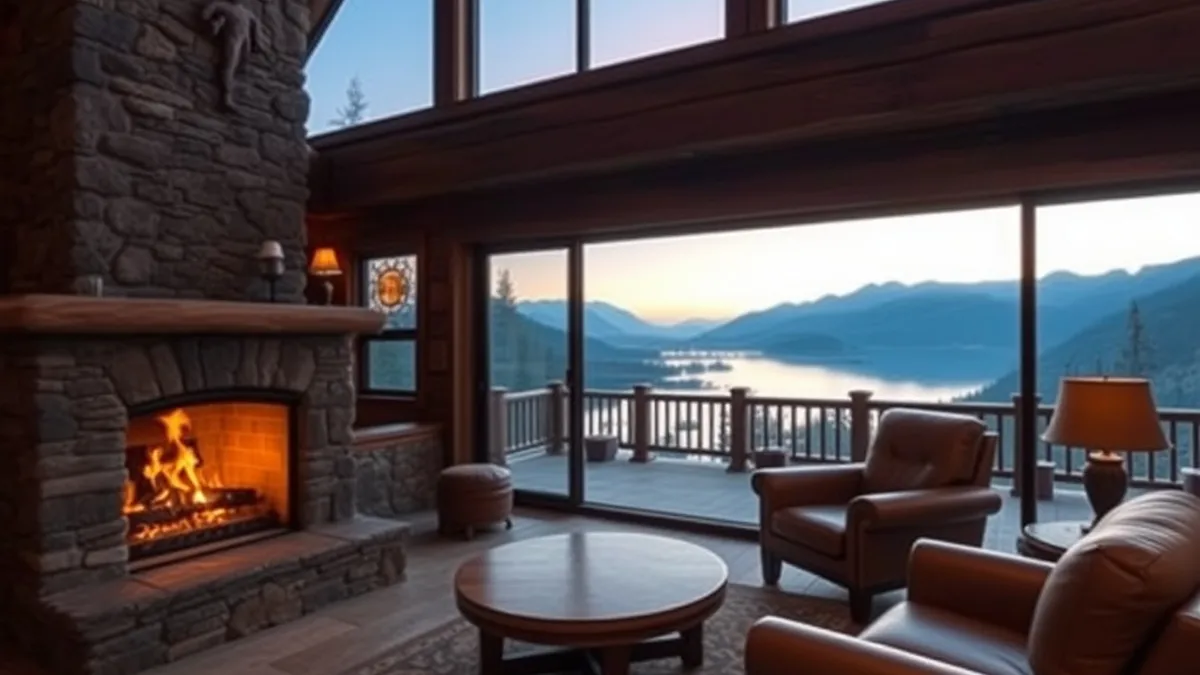
At the top of the ladder sit penthouse-style rooms and units with the best views. A corner suite facing the lake, the valley or the firelit lounge can command a hefty premium over an identical room facing the parking lot. Lodges price their views deliberately, so if a panorama is important to you, expect to pay for it; if not, ask which room categories face away from the main sight.
On the affordable end, smaller cabins and garden-facing rooms are usually the cheapest entry point. These often have the same beds and bathroom standards as pricier units, just less square footage and a quieter outlook. Some garden lodges, like this coastal garden retreat in Austria, make the lower-category rooms genuinely appealing with direct outdoor access.
- Connecting suites work well for two couples or a family with teens, since you share a door but keep two bathrooms and often two separate rates that together still beat one large family suite.
- Loft or mezzanine rooms sleep more people in the same footprint, so their per-person cost can be lower than booking two standard doubles, even if the nightly rate looks higher at first glance.
- Accessible and ground-floor rooms are sometimes priced like standard doubles but book out early, so request them as soon as your dates are set rather than assuming one will be held back.
- Cabin categories vary within one lodge, so check the listed square meters or square feet and bed configuration, not just the label, before deciding that the cheapest option is too small.
Board Options and Extras That Add to the Bill
Once you have picked a lodge and a room, the next question is what you eat and what you do. Many lodges price accommodation on a room-only or breakfast basis, then offer board upgrades that can quietly double your daily spend if you are not paying attention.
What board packages actually cost
Full-board and all-inclusive packages typically add $50–150 per person per day on top of the room rate. The exact figure depends on the lodge category and how much is bundled in: some packages cover three meals plus soft drinks, while others throw in selected activities or a drinks package as well. Before upgrading, check exactly what is included, because a “half-inclusive” plan that excludes drinks can still leave you with a surprising bar bill at checkout.
Half-board deserves a closer look if you plan to eat most dinners at the lodge, which you often will in remote locations where there are few alternatives nearby. Paying for individual dinners à la carte usually costs more than the difference between a room-only and a half-board rate, so the upgrade frequently delivers better value. Run the numbers for your own eating habits: if you like heading out to local restaurants, stay on breakfast only.
Extras that sit outside the room rate
Guided activities such as game drives, boat trips or hiking excursions, spa treatments, and airport or town transfers are usually priced separately from both the room and the board package. Ask for a full price list when you book so you can budget the whole stay, not just the nightly rate. A few days of guided excursions plus a couple of spa sessions can easily rival the cost of the accommodation itself.
How to Compare Lodge Prices and Get the Best Value
Two lodges can show the same nightly rate on paper and end up costing very different amounts once you add meals, activities and transfers. Before you book, it pays to look past the headline number and work out what you would actually spend over the whole stay. A lodge that quotes room only might seem like a bargain until you price out dinners, guided excursions and an airport transfer, all of which are often sold separately on site. The reverse is also true: a slightly higher rate that bundles meals and shuttles can work out cheaper overall. A little comparison time here often saves more than chasing a small discount, and it takes less effort than you might expect.
- Build the total cost, not the nightly rate. Add up the room rate for all nights, then layer on meals, drinks, guided activities, spa treatments, airport transfers and any resort or conservation fees the lodge mentions. A lodge that looks cheaper per night can easily end up more expensive once dinners and excursions are priced separately.
- Compare board options across lodges. If one lodge quotes a rate that includes full board and another quotes room only, the gap in the totals can be large. Work out the per-person cost of each package so you are comparing like with like, and remember to check whether children are priced differently.
- Check direct booking versus platforms. Lodge websites, booking platforms and travel agents do not always show the same rate for the same room and dates. Get quotes from two or three channels and compare what each one includes, since a platform price sometimes bundles extras that the lodge sells separately.
- List the practical inclusions. Look for breakfast, parking, shuttle services, Wi-Fi and equipment such as binoculars or kayaks. A rate that covers breakfast and a free shuttle can beat a slightly cheaper one where you pay for every little thing on site.
- Read the cancellation and payment terms. A flexible rate that costs a bit more can be better value than a non-refundable bargain, especially if your travel plans might change. Check deposit sizes and refund windows before you commit.
Once you have two or three totals side by side, the best value usually becomes obvious rather than something you have to guess at. Write each total down, note what it covers, and compare them line by line rather than trusting your gut on the cheapest headline rate. Take ten minutes to do this before booking, and you will know exactly what your stay will cost, with no unwelcome surprises on the final bill when you check out.
Wrapping Up the Real Cost of a Lodge Stay
So, what does a lodge stay really cost? Anywhere from about $80 per night to well over $1,000, and the difference comes down to four main drivers: where the lodge sits, when you travel, which room you pick, and what board package you choose. Once you know how those factors stack up, a price that looked random starts to make sense.
The good news is that you have real control over the total. Traveling in shoulder season and booking a few months ahead are the two clearest ways to bring the bill down without sacrificing the experience. Compare total prices rather than nightly rates, and the gap between lodges becomes much easier to judge. If this helped you plan your trip, feel free to leave a comment or share the article.